

Alpo Martinez is one of the most divisive names in America’s drug history. He was a flashy Harlem kingpin in the mid-1980s, a notorious killer in Washington, D.C., and later a federal informant who testified against the people he once ran with. His life ended on Halloween 2021, but his story still lives on in rap songs and in the cult film Paid in Full. In this guide, I trace his full arc, from Spanish Harlem poverty to his last night on West 147th Street.
Biography Table
| Field | Details |
|---|---|
| Full Name | Alberto Geddis Martinez |
| Nickname/Alias | Alpo, Po, Abraham Rodriguez (witness protection name) |
| Date of Birth | June 8, 1966 |
| Place of Birth | East Harlem (Spanish Harlem), New York City |
| Date of Death | October 31, 2021 |
| Age at Death | 55 |
| Nationality | American |
| Zodiac Sign | Gemini |
| Ethnicity | Puerto Rican descent |
| Profession/Occupation | Former drug dealer and trafficker |
| Years Active | Mid-1980s to 1991 |
| Education | St. Lucy’s Catholic School; attended Julia Richman High School and Automotive High School |
| Parents | Raised by a single mother; never met his father |
| Siblings | An older brother, an older sister, and a younger sister |
| Notable Portrayal | Inspired the character Rico in Paid in Full (2002), played by Cam’ron |
Early Life And Background In Spanish Harlem
Alberto “Alpo” Martinez was born on June 8, 1966, and grew up on 105th Street near First Avenue in East Harlem. He was raised by a single mother in a crowded household and never met his father. Like many kids in the area, he learned early that the streets offered money when school did not.
His childhood was not all hustle, though. He went to St. Lucy’s Catholic school and spent summers away through Fresh Air Fund camps. One host family grew so fond of him that they reportedly wanted to adopt him. His light complexion earned him the nickname “Flaco” among some locals.
As a young teen, Alpo took boxing lessons and even saw himself in fighters like Wilfredo Benítez. He briefly joined the Marine cadets, which shows he tried structured paths. But by 13 or 14, flashy cars and street bikes on the block pulled him harder than any classroom.
He bounced between Julia Richman High School and Automotive High School without settling into either. In my reading of his early years, this is the key turning point. He had outside chances, but the pull of fast money in his neighbourhood was stronger than every option offered to him.
Randy Love: Alpo’s First Mentor
The person who truly shaped Alpo’s criminal path was Randy Love, a feared gangster from the Wilson projects. Love took the teenager under his wing because Alpo looked young, spoke Spanish, and could walk into places older men could not.
Love used him to scout the layout of Dominican drug spots before robbing them. Those robberies reportedly brought in $10,000–15,000 at a time, along with cocaine that could be resold. For a teenager, this was fast, dangerous training.
The lessons Alpo learned from Love stayed with him: intimidation, planning, and treating violence as a tool. Love later went to Rikers Island and eventually ended up serving life. By then, his young student had already moved into dealing on his own, starting with half a kilo.
The 1980s New York Drug Landscape
To understand how Alpo rose so fast, you have to understand the city he grew up in. The 1970s fiscal crisis brought deep budget cuts, and working-class neighbourhoods across New York felt it first. Jobs, schools, and policing all thinned out at the same time.
When crack arrived in the early 1980s, it changed everything. A single product could turn a teenager into a street millionaire within months. That shift produced what many describe as a chaotic generation of young kingpins who cared more about fame than caution.
Earlier legends like Frank Lucas and Nicky Barnes had mostly been sent to prison by then. A new wave filled the gap:
- Kenneth “Supreme” McGriff and Gerald “Prince” Miller of the Supreme Team in Queens
- Lorenzo “Fat Cat” Nichols and Howard “Pappy” Mason, also in Queens
- Alpo, Rich Porter, and Azie Faison in Harlem
What set the Harlem trio apart was their showmanship. While others worked quietly, they made themselves visible. That visibility later became both their brand and their weakness.
Rise In The Harlem Drug Trade With Rich Porter And Azie Faison
By 15, Alpo was already a runner moving heroin packets and crack. He moved up the chain quickly, partly by working for older hustlers and partly by using intimidation to control territory. By 1985, he was one of the most talked-about young dealers in Harlem.
His partnership with Azie “A.Z.” Faison and Rich Porter became the core of his legend. Faison was the business mind, Porter was the charismatic “Mayor of Harlem,” and Alpo was the attention seeker and adrenaline junkie. Together they became some of the biggest dealers on the West Side of Harlem.
The crew flaunted riches openly. Big gold chains, designer clothing, jewellery, and expensive cars were part of their image. At events like Harlem’s famous basketball tournaments, they arrived as celebrities. Many locals admired them, while law enforcement began watching closely.
Alpo also had a brutal side that his partners did not always match. He was known to use hitmen and, by his own later admissions, killed personally. That violence helped him stay ahead of rivals, but it also started to separate him from the group.
As New York grew crowded with competition, Alpo began looking out of town. Other cities offered higher prices and fewer rivals. That search eventually led him to Washington, D.C.
Alpo’s Love For Cars And Reckless Driving
Cars were central to Alpo’s identity. His first car was reportedly a Toyota Corolla, followed by a BMW 318 around 1981–82 and a 1977 Chevy Malibu. For a teenager in Harlem, owning those cars instantly signaled success.
He was also known for reckless driving. Stories describe him driving wildly, crashing cars, and fleeing scenes. In one well-known account, he took a car from a customer to settle a crack debt, showing how cars and business mixed in his world.
Many who knew him said his cars and dirt bikes put him on the map before his drug income did. In my view, that habit reflects his whole personality. He wanted people to see him, and he rarely cared about the risk that came with being seen.
Rich Porter’s Background And His Brother’s Kidnapping
Rich Porter was born in 1964 and started dealing young, just like Alpo. He grew famous for his luxury cars and flashy lifestyle, and his charm earned him wide respect in Harlem. By the late 1980s, he was among the richest young dealers in the city.
That wealth made his family a target. In late 1989, Porter’s 12-year-old brother, Donnell, was kidnapped, and the kidnappers demanded a $500,000 ransom. Porter reportedly paid around $350,000, hoping to bring the boy home safely.
The payment did not save him. Donnell’s body was found on January 28, 1990. Street accounts and later reporting pointed to people close to the Porter family as being responsible, including a maternal uncle, which made the loss even more painful.
The kidnapping showed how dangerous the trade had become. Money that bought cars and fame also attracted people willing to hurt children. For many in Harlem, this case marked the moment the glamour of that era began to look very dark.
Expansion To Washington, D.C. And Wayne “Silk” Perry
In the late 1980s, Alpo expanded operations into Washington, D.C., where cocaine sold for far more than in Harlem. He built a network there that supplied local dealers and quickly made him a major figure in the city’s underworld.
His most important D.C. connection was Wayne “Silk” Perry, a notorious enforcer often described as one of the most infamous hit men in Washington, D.C.’s history. Perry served as bodyguard, partner, and muscle. Author Eyone Williams and others have written about how feared the pair became.
Alpo and Perry were tied to a string of killings in D.C. over a short period. Rivals, suspected informants, and debtors all became targets. The violence drew heavy attention from federal investigators within less than a year of his arrival.
Perry was later arrested and charged with drug-trafficking and murder offenses. He would eventually receive five consecutive life sentences without parole, partly because of the man he once protected. That betrayal comes later in the story.
The Murder Of Rich Porter
Rich Porter was killed in early January 1990, shortly after his brother’s kidnapping. He was shot in the head and chest, and his body was found in the Bronx near Orchard Beach. The killing shocked the city, because Porter was widely loved.
What made it worse was the killer’s identity. Alpo, his close friend and former partner, later admitted his role in the murder. Accounts say Porter was lured into a vehicle, the doors were locked, and he was shot. Some reports mention Garrett “Big Head Gary” Terrell and Troy Reed in connection with the events.
The motive, according to Alpo’s own later framing, was money. He claimed Porter was cutting him out of deals and moving to another drug connect. Years later, including in a 2019 interview on camera with a director, Alpo described it with the cold line that it wasn’t personal, it was business.
Porter’s death marked the collapse of the trio’s cohesion. Azie Faison had already been shot and nearly killed in a separate robbery. With Porter gone, the Harlem story was over, and only Alpo’s side of it remained.
Arrest And Charges In 1991
Alpo was arrested in November 1991, after a long federal investigation into his D.C. operation. He was 25 years old. Reports describe the arrest as the end of a yearlong FBI manhunt that stretched across states.
The charges were serious. Prosecutors linked him to drug trafficking and a series of murders, including the Porter killing and several D.C. shootings. Victims mentioned in coverage included figures such as Michael Anthony “Fray” Salters, Demencio Benson, and Mark Mullen.
Coverage in The Washington Post noted that many of the killings took place in Southeast Washington and nearby Maryland. The case also included car-wash killings that had frightened local residents. Facing death row or life in prison, Alpo had limited choices left.
In court, some family members of victims reportedly teared up as details were read out. For them, Alpo was not a Harlem legend. He was the man accused of taking their loved ones.
Turning Informant And Prison Sentence
Instead of fighting the charges, Alpo pleaded guilty and became a federal witness. He admitted to taking part in 14 murders and agreed to testify against former associates in the D.C. cocaine network.
His testimony was a major blow to Wayne Perry and others. Perry faced possible death but pleaded guilty and received life without parole. Alpo’s cooperation helped prosecutors cripple an organisation that had once been untouchable.
In exchange, Alpo received a 35-year sentence rather than life. That deal broke the street code he had once lived by, and it permanently changed how people viewed him. From that point on, many referred to him simply as a snitch.
From my years following crime stories like this, informing is the one act the streets rarely forgive. Violence can be romanticized in songs, but cooperating with prosecutors is almost always treated as the final betrayal. Alpo’s legacy never recovered from that label.
Release, Witness Protection And Life In Lewiston, Maine
Alpo served much of his time in federal prison, reportedly including time at ADX Florence, the federal supermax in Colorado. He was released in 2015 and placed in witness protection under a new name, Abraham Rodriguez.
He settled in Lewiston, Maine, far from Harlem. Neighbours described him as a friendly neighbour who played basketball with local teens and talked about starting a construction business or opening a nightclub. Few knew who he really was.
But he did not stay quiet. He appeared in online clips, gave interviews, and was photographed in public places like a Walmart around 2018. Friends like Nik Pappaconstantine later spoke about him as a man trying to live normally.
The biggest risk was his trips back to Harlem. He was reportedly warned many times that returning was dangerous. Those warnings, and his refusal to fully follow protection terms, set the stage for what happened next.
Alpo Martinez Death: How Did Alpo Martinez Die?
Alpo Martinez died on October 31, 2021, after being shot in Harlem around 3:30 a.m. He was driving his 2017 Ram pickup truck near West 147th Street when a gunman opened fire through the window. He was 55.
The alpo martinez cause of death was multiple gunshot wounds. He was shot five times, with at least one bullet striking near the heart. He was rushed to Harlem Hospital, where he was pronounced dead shortly after.
Police initially identified him through an ID under the name Abraham Rodriguez. When officers realized who he was, news spread quickly. His Lewiston friends were shocked, while many in Harlem said they were not surprised.
The timing added to the drama. Alpo died on Halloween night, just after midnight, in the same neighbourhood where his legend began. For many who follow this story, it felt like the old Harlem finally closed the chapter he had opened in the 1980s.
Who Killed Alpo Martinez?
In February 2022, police arrested Shakeem Parker, then 30, and charged him with the killing. Police sources suggested possible motives such as a road rage dispute or a long-held grudge, though no clear motive was publicly confirmed.
The case went to trial, and in 2024 a jury acquitted Parker of the murder. That verdict means no one has been legally held responsible for Alpo’s death so far.
This leaves the question of who killed Alpo Martinez officially unanswered. With so many enemies built over decades, from scorned rivals to families of victims, speculation has never stopped. Some believe it was revenge, while others think it was a random clash that turned deadly.
Alpo Martinez Funeral
The alpo martinez funeral took place in New York in November 2021. His family kept it relatively low-key, which fit the complicated feelings around his name. It was not a celebrity event like the funerals of some other street figures.
Public reactions were split. Some people remembered the young hustler who defined an era, while others refused to mourn a man who killed his friend and informed on others. Social media was full of both tributes and harsh comments.
For his family, though, the loss was personal. Whatever the public thought, they buried a son and brother. That human side is often lost when people only discuss Alpo as a character in songs and films.
Alpo Martinez Wife And Personal Life
Searches for alpo martinez wife are common, but there is no verified public record of him being married. He kept his romantic life mostly private, both during his dealing years and after release.
In the 1980s, he was known for his relationships with women around Harlem, which matched his flashy image. However, none of those relationships became part of any official record or court documents.
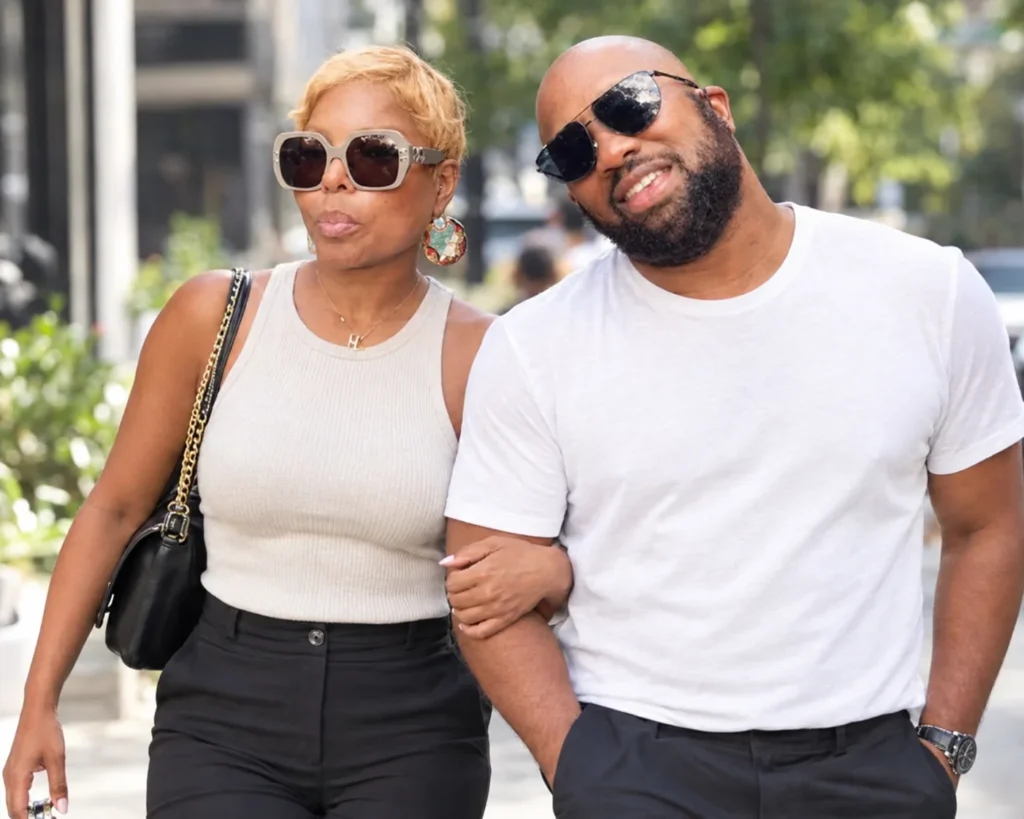
After his release, witness protection made privacy even more important. People close to him in Lewiston spoke about his friendliness and routines, not about a spouse. Any claims online naming a wife or partner should be treated with caution unless backed by solid reporting.
Alpo Martinez Net Worth
Alpo martinez net worth is hard to pin down. At his peak in the late 1980s, he reportedly handled huge amounts of cash each week from New York and D.C. sales. But that money was never legal and was never tracked properly.
Most of his wealth disappeared through spending, seizures, and prison. Cars, jewellery, and cash were either confiscated or lost during his arrest and long sentence. He left prison with very little compared to his old lifestyle.
Online estimates of his net worth at the time of his death vary widely, and none are verified. What is clear is that, by 2021, he was living a modest life in Maine. His name was worth far more in culture than his bank account ever was later on.
Alpo Martinez Paid In Full, Hip-Hop And Cultural Legacy
The biggest reason people still search alpo martinez paid in full is the 2002 film. The movie, backed by Jay-Z and Roc-A-Fella, dramatized the rise and fall of the Harlem trio. Cam’ron played Rico, the character based on Alpo.
| Portrayal/Media | Year | Connection To Alpo |
|---|---|---|
| Paid in Full (film) | 2002 | Cam’ron plays Rico, based on Alpo |
| Paid in Full (film) | 2002 | Mekhi Phifer plays Mitch, based on Rich Porter |
| The FBI Files (Season 3, Episode 18) | Early 2000s | Covered the D.C. case and his crimes |
| Azie Faison’s interviews and documentaries | Various | First-hand account from his former partner |
In hip-hop, Alpo’s name became a shorthand for two opposite ideas. Earlier artists like Big L, Nas, and Jay-Z referenced the flash and power of that era. Later, his name often became a symbol of betrayal and snitching in lyrics.
Artists including Kanye West, Pusha T, Meek Mill, Drake, 50 Cent, 21 Savage, and even UK rapper Central Cee have mentioned him in songs. Some lines honor the “American Dream” hustle, while others use “Alpo” as an insult for a disloyal friend.
In my opinion, his cultural legacy is a cautionary tale more than a success story. The film and songs glamorize the cars and money, but the real ending is clear: a dead brother-in-arms, dozens of victims, decades in prison, and a violent death on a Harlem street.
FAQs
What Was Alpo Martinez’s Real Name?
His real name was Alberto Geddis Martinez. In witness protection, he lived under the name Abraham Rodriguez, which was the name on the ID police found after his death.
How Old Was Alpo Martinez When He Died?
Alpo was 55 years old when he died in 2021. He had spent more than two decades of his adult life in federal prison before his release.
Is Paid In Full Based On A True Story?
Yes, Paid in Full is based on the real lives of Alpo Martinez, Rich Porter, and Azie Faison. The film changes names and some events, but the main arc of the trio’s rise and downfall is drawn from real history.
Why Is Alpo Martinez Called A Snitch?
He is called a snitch because he cooperated with federal prosecutors after his arrest. His testimony helped convict former partners, including Wayne Perry, in return for a reduced sentence.
How Long Was Alpo Martinez In Prison?
He was sentenced to 35 years but was released in 2015, after serving around 24 years. Cooperation and time served helped him get out earlier than the full term.
Where Did Alpo Martinez Live Before He Died?
Before his death, he lived in Lewiston, Maine, under witness protection. He regularly traveled back to Harlem, which is where he was shot and killed.
Read About : jordan love injury